 Tucson Rodent Shield
Service
Rodent Control
Pack rats in the engine bay. Roof rats in the attic. Mice slipping through weep holes in old adobe walls. Out here, rodents aren't a seasonal nuisance — they're a year-round problem, and they're good at finding the one gap you never noticed.
We handle the whole job: identify what you're dealing with, remove it, seal the entries, and clean up what they left behind. No scare tactics, no vague promises — just a straight answer about what's happening in your home and a plan that holds up in the desert.
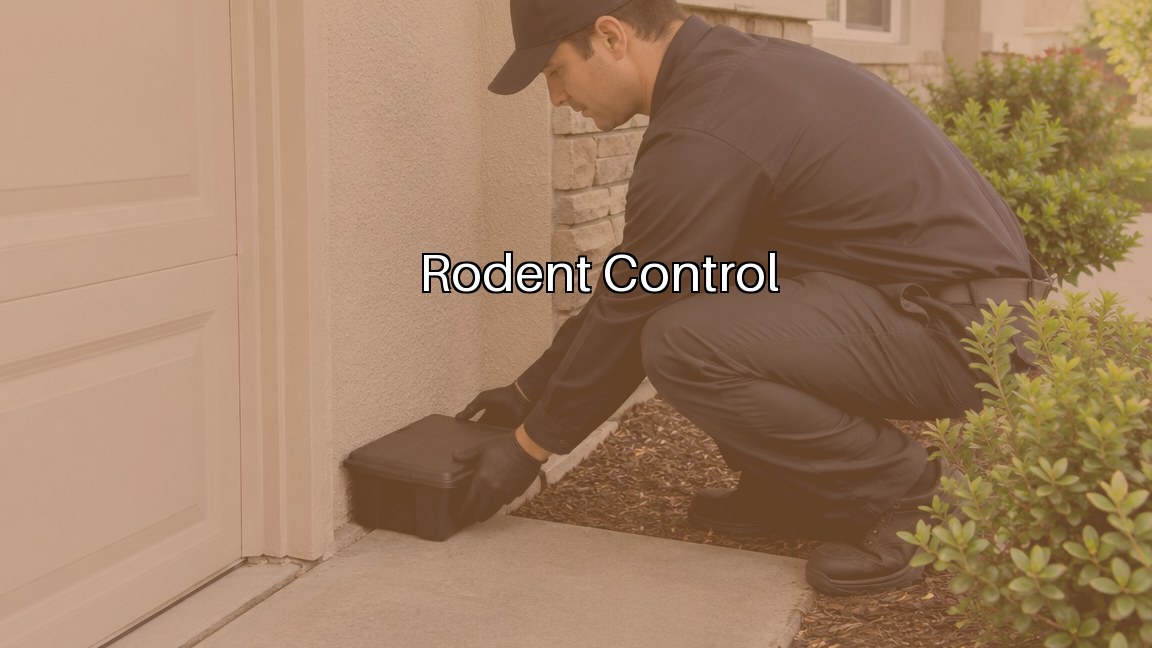
What Professional Rodent Control Involves
Effective rodent control starts with an inspection that goes beyond the obvious. We check attics, crawlspaces, garages, and the exterior envelope of your home — rooflines, vents, weep holes, pipe penetrations, and the gaps where utility lines enter. Pack rats and roof rats leave distinctive sign: gnaw marks, nests, droppings, and greasy rub marks along travel routes. Knowing exactly which animal you're dealing with matters, because a treatment that works for mice will miss pack rats entirely.
From there, the work has three parts. Removal uses trapping and targeted placement of rodenticides where appropriate and legal — always in tamper-resistant stations, never where kids, pets, or wildlife can reach them. Exclusion seals the entry points with materials rodents can't chew through, like steel mesh and metal flashing, because reopening the same hole next month isn't control, it's a subscription. Finally, we address the mess: droppings, urine, and nesting material get removed and sanitized, since rodent waste carries real health risks and leaves pheromone trails that invite the next wave in.
Why It Matters
Actual Exclusion
We seal entry points with chew-proof materials so the problem ends, instead of resetting traps forever.
Desert-Wise Methods
We know how pack rats nest in engine bays, cactus piles, and block walls — and where they'll try next.
Property Protected
Rodents chew wiring, insulation, and plumbing; stopping them early prevents fires, leaks, and costly repairs.
Healthier Home
Droppings and urine are removed and sanitized, eliminating allergens and disease risks left behind.
Safe for Pets
Traps and stations are placed deliberately, out of reach of kids, pets, and non-target wildlife.
Honest Answers
You get a clear explanation of what we found, what we're doing, and what to watch for — no alarmist sales pitch.
Confidential, no pressure.
How We Get It Done
- Full Inspection We identify the species, locate nests and entry points, and assess the extent of activity inside and outside the structure.
- Removal Traps and secure bait stations are placed along known travel routes to knock down the active population quickly and safely.
- Seal And Exclude Entry points are closed with steel mesh, flashing, and rodent-proof sealants — materials sized to the animal and built to last.
- Clean And Sanitize Nests, droppings, and urine are removed and treated, clearing health risks and the scent trails that attract new rodents.
- Follow-Up We verify the population is gone, confirm seals are holding, and flag conditions — like harborage or food sources — worth fixing.
Who This Service Is For
This service is for homeowners hearing scratching in the walls at night, finding droppings in the pantry, or pulling a nest of cactus out from under a car hood. It's for anyone who's seen one rodent and suspects — correctly — that there are more. Pack rats in particular are persistent, and a single sighting usually means an established nest nearby.
It's also for people who want the problem solved once. If you've been setting your own traps for weeks, if poison from the hardware store isn't touching the population, or if you can hear activity but can't find the entry, that's the moment to bring in professional exclusion work. Businesses dealing with rodents around dumpsters, storage areas, or loading docks get the same treatment, scaled to the property.
Frequently Asked Questions
How do I know if I have pack rats or roof rats?
Pack rats tend to build conspicuous nests from plant material, cactus, and debris — often in engine bays, woodpiles, or block walls. Roof rats are darker, more agile climbers that nest in attics and citrus trees. An inspection tells you which you have, and that determines the treatment.
Why not just use bait from the store?
Over-the-counter bait kills rodents, but it doesn't find the nest, seal the entry points, or handle the mess left behind. It can also create odor problems when animals die inside walls. Professional control addresses the whole cycle — removal, exclusion, and sanitation — so the problem doesn't repeat.
Is rodent control safe around pets and kids?
Yes, when it's done right. We use tamper-resistant bait stations placed in locations children and pets can't access, and we prefer trapping and exclusion whenever they'll do the job. We'll walk you through exactly what we placed and where.
How do rodents get into a well-built home?
More easily than you'd think. Weep holes in adobe and brick, gaps around roof penetrations, vents, garage door seals, and where pipes enter the foundation are all common entry points — a mouse needs a gap the width of a pencil. Sealing those properly is the core of lasting control.